
Bank Australia expands its conservation estate
Monday, 14 February 2022. Bank Australia's conservation properties have impressed customers and employees, and its approach to managing these areas has evolved markedly, according to the bank's head of strategy, Fiona Nixon.
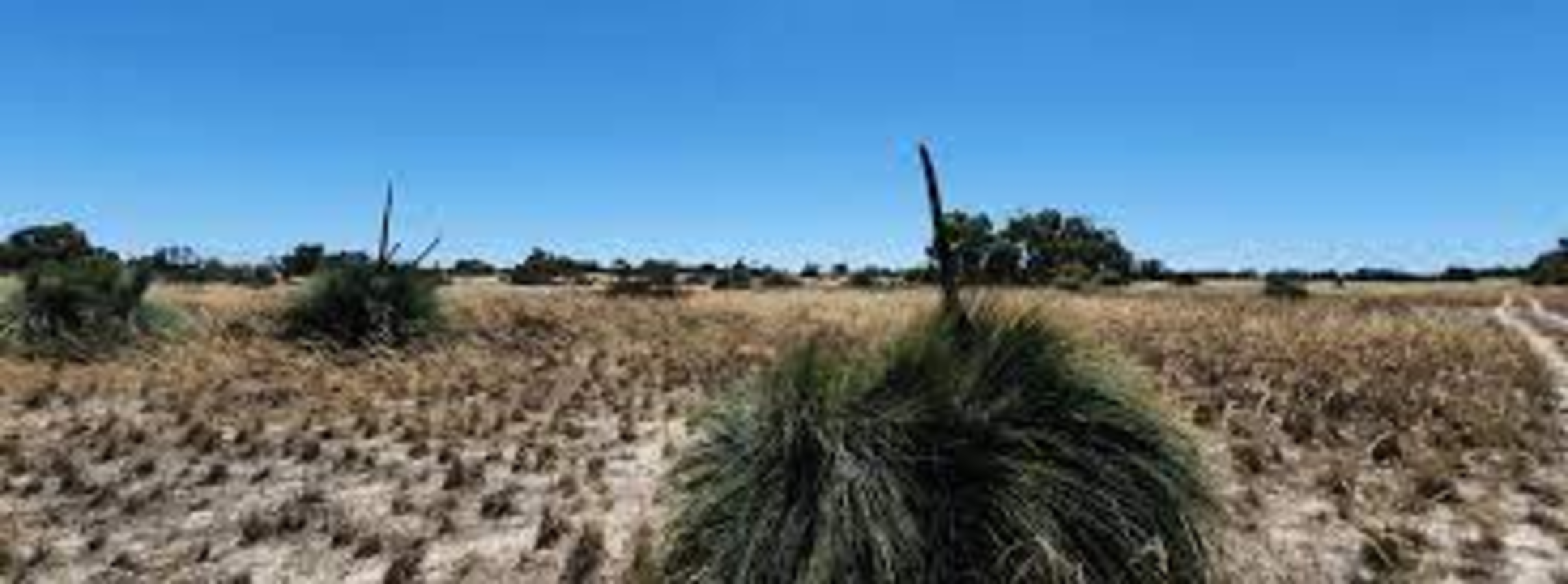
The bank has recently purchased its fifth conservation property in Victoria's west Wimmera - a 1,190 hectare site called Salvana.
It represents a doubling of the bank's conservation reserve estate to 2,117 hectares, and a ten-fold increase on the first acquisition – a 201 hectare property purchased in 2008.
Nixon told Footprint the bank's motivation for the original purchase – and the extensive revegetation work that followed – was to take "direct responsibility" for the emissions linked to its lending for motor vehicles.
The bank has always tried to take "a holistic view of what climate action looks like" that takes into account the natural environment, Nixon added.
"We have always believed that the two things go together and that the private sector has a role in conservation."
Conservation reserve "sets us apart"
Although the theme of acting on climate change in a way that encompasses biodiversity protection has endured, the bank's approach to the conservation properties has changed a lot over the years, Nixon explained.
These days, its commitment is partly to make sure the size of its conservation estate is at least as big as the total footprint of the houses built on greenfield sites by its home loan customers.
But the estate now serves a much broader purpose – which explains why the bank purchased Salvana even though it wasn't needed in order to cover the home loan commitment.
Nixon says the estate is now viewed as one the major ways that the bank demonstrates its values to customers.
"The power of being able to tell our customers that they part-own conservation reserve is something that does set us apart and something that generates an enormous amount of goodwill," she said.
Surveys show the reserve estate is also important to staff, Nixon said, adding that groups of employees visit the estate twice a year and spend a couple of days there.
Scope to innovate
Owning the properties, as distinct from just buying biodiversity or carbon offsets or giving grants to third parties for biodiversity work, does create extra responsibilities, Nixon acknowledged.
But it also has advantages.
"We have always felt it is a much more direct way of demonstrating our commitment to biodiversity," she said. In addition, "we've got scope to experiment and to try new things on the land".
Although the initial focus was on large-scale biodiverse plantings, "today we are much more focused on some key conservation science projects", she said.
These include providing improved habitat for endangered species, such as the black south-eastern red-tailed cockatoo.
Although the bank owns the properties, it works closely with experts to develop and implement management plans for them, Nixon stressed.
It has worked with Trust for Nature – which purchases, restores and resells properties – and relies heavily on another not-for-profit, Greening Australia, to manage the estate.
Over the last five years, the bank has also put more effort into incorporating traditional knowledge and land management practices.
It has undertaken cultural heritage surveys on all the sites, with Nixon noting that the local Barengi Gadjin Land Council had said it was the first time anything similar had been done in the area for reasons other than the heritage being under threat.
In addition, last year the bank worked with the Land Council and others to organise the first cool, managed Traditional Burn on the reserve estate to reduce bushfire risk, after working towards it for four years.
Read the full article at Footprint