What the experience of BRAC Bank in Bangladesh can teach us - by Ugo Biggeri
Ugo Biggeri, the GABV’s European Board member and former president of GABV member, Banca Etica and, shares his experience and reflections from the Global Dhaka meeting held at the beginning of November and his stay in Bangladesh.
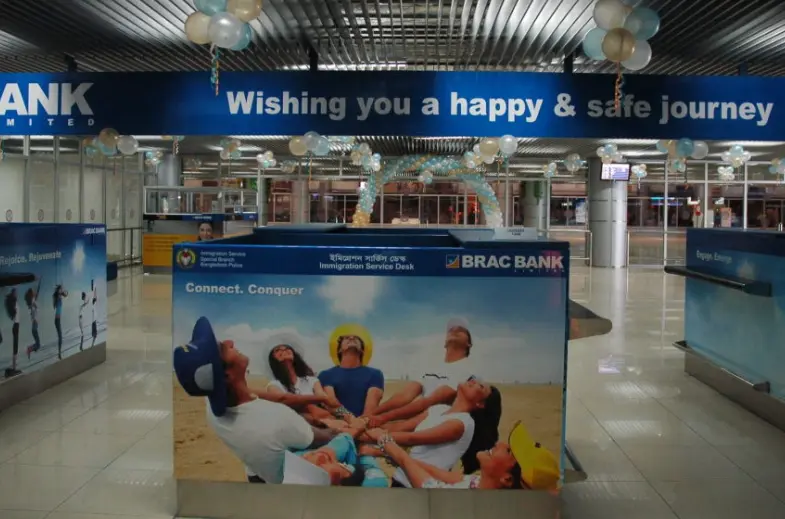
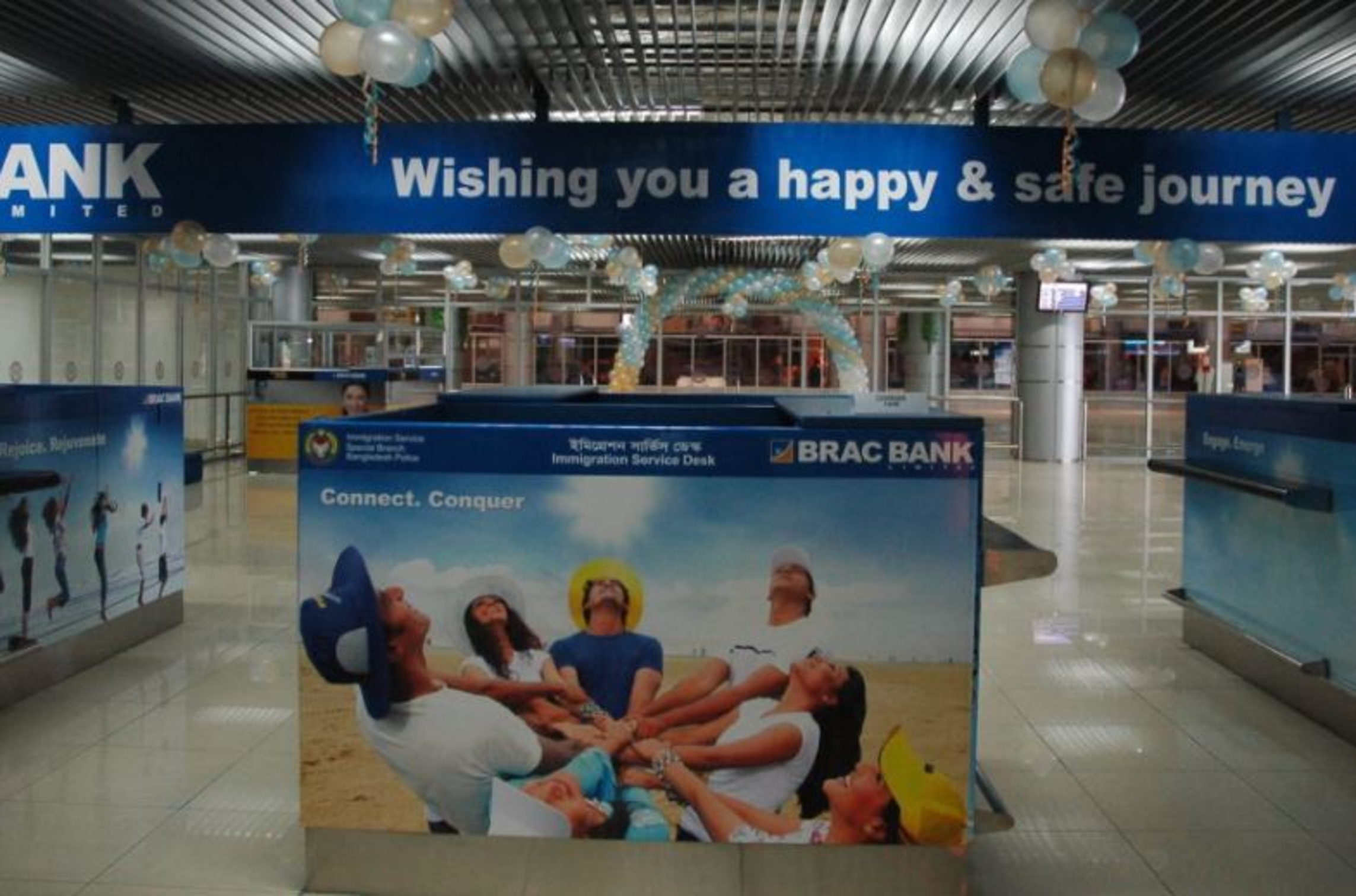
BRAC Bank is a bank that started in Bangladesh in 2001 and has grown tremendously since then. Without ever losing its values.
The meeting in Bangladesh, in Dhaka, of the Global Alliance for Banking Values (the global alliance for banking on values) for the Banking on Values Day 2022 represented a very significant moment, in which we had the opportunity to compare what being a bank in a country like Bangladesh means. Although this is much better than the collective imagination we have in Europe.
We are talking about a country with many contradictions but certainly very different from that of the Rana Plaza fire in 2013. And in this, we have found an exceptional bank (I had already been here in 2004), Grameen, which was an example for all of us, whose baton was perhaps today taken up by BRAC Bank.
The bank has incredible numbers, also due to the very high population density of Bangladesh. But it is also a successful experience capable of explaining what we would call the “social economy” in Italy. The bank was only born in 2001, but today it already has tens of millions of customers, it is one of the most efficient banks in the country and is in fact the second largest bank nationwide.
It presents very strong attention to social impacts and, recently, also to environmental ones. Trying to stay away from the most harmful businesses, such as the one linked to the dismantling and recycling of ships arriving from all over the world. Or that of the production of bricks, which are widely used in Bangladesh and yet are manufactured with highly energy-intensive processes and often also in very dangerous conditions for the safety of the workers.
The BRAC Bank was born from the homonymous non-governmental organization, which owns the majority of the credit institution. And which has also developed other banks in other countries. In this way, an economic and financial engine has been created which allows for the development of the social activities of the NGOs themselves. In order to ensure positive social and environmental impacts for nations.
Naturally, to evaluate the work of BRAC Bank, the specific situation of a country such as Bangladesh must be taken into consideration. Some of the activities that are financed, in our eyes could raise some doubts from the point of view of sustainability. But, precisely, it is necessary to take into account the context of a country still full of contradictions, of immense pockets of poverty. And of disasters that are always around the corner, aggravated by climate change. This can only make us relativize some choices, above all with respect to what we can instead do in Europe.
The teaching that the BRAC movement gives us, therefore, is that we must always make clear what our primary objective is. When you happen to have an idea that works, it's good to leave all the others alone and take care of making it grow. We should reflect on how to scale up, the growth of ethical finance in Europe. Certainly, it is not possible to retrace the path of the BRAC in the sense of covering market spaces that do not yet exist, since these in our continent have already been occupied for some time by large credit institutions.
Perhaps, however, we can borrow a little courage from the experience of BRAC Bank and work more united among the banks of Febea, the European Federation of ethical and alternative banks, and among those of the GABV itself. Especially in this era in which everyone talks about sustainable finance and yet reduces it to a single product. We must ensure that doing banking in a sustainable way means aiming for sustainability in all its aspects, in all the activities that are started or financed, in the way in which we organize ourselves, in the type of partner we choose. And above all in the investments that you choose to make.