
Cutting 28.7 Tons Carbon Monthly: FMFB-A’s Shift to Solar Energy Production
Across the world, the financial sector is learning that sustainability and sound business go hand in hand. Banks and financial institutions are measuring their emissions, moving to renewable energy, and treating climate responsibility as part of long-term resilience. FMFB-A is part of that movement.
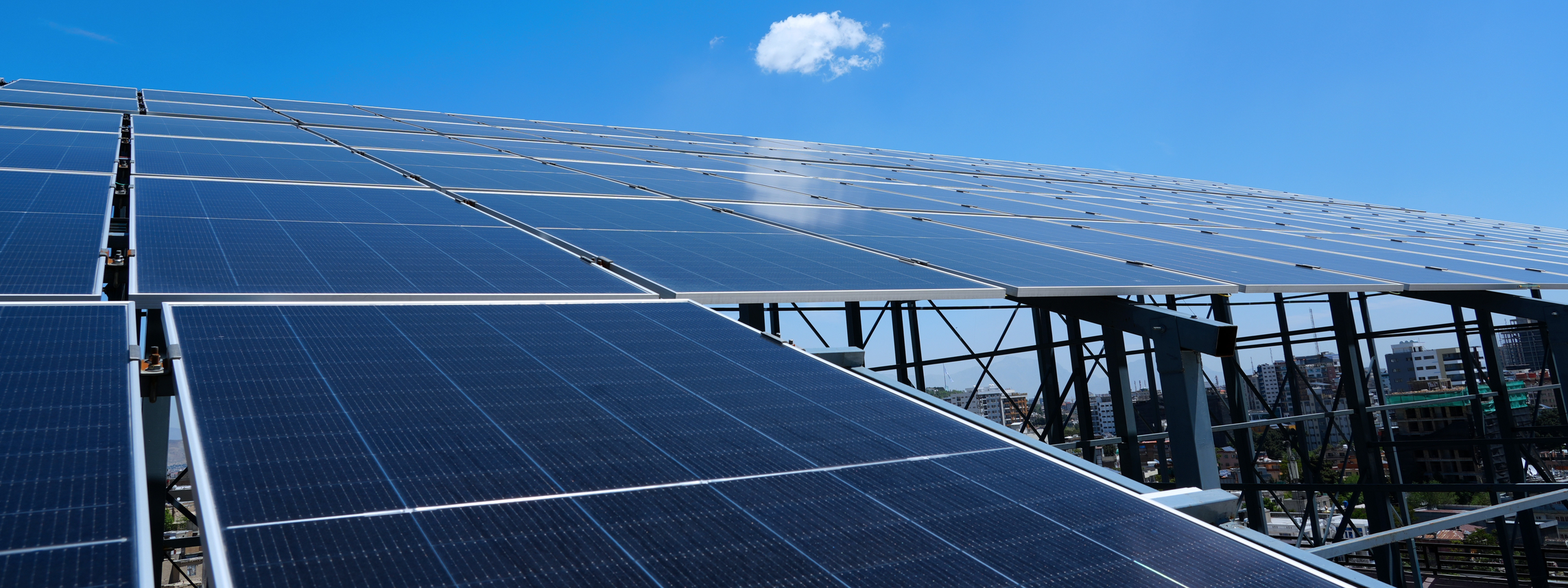
FMFB-A has solarized several branches across provinces; the results show what clean energy can do.
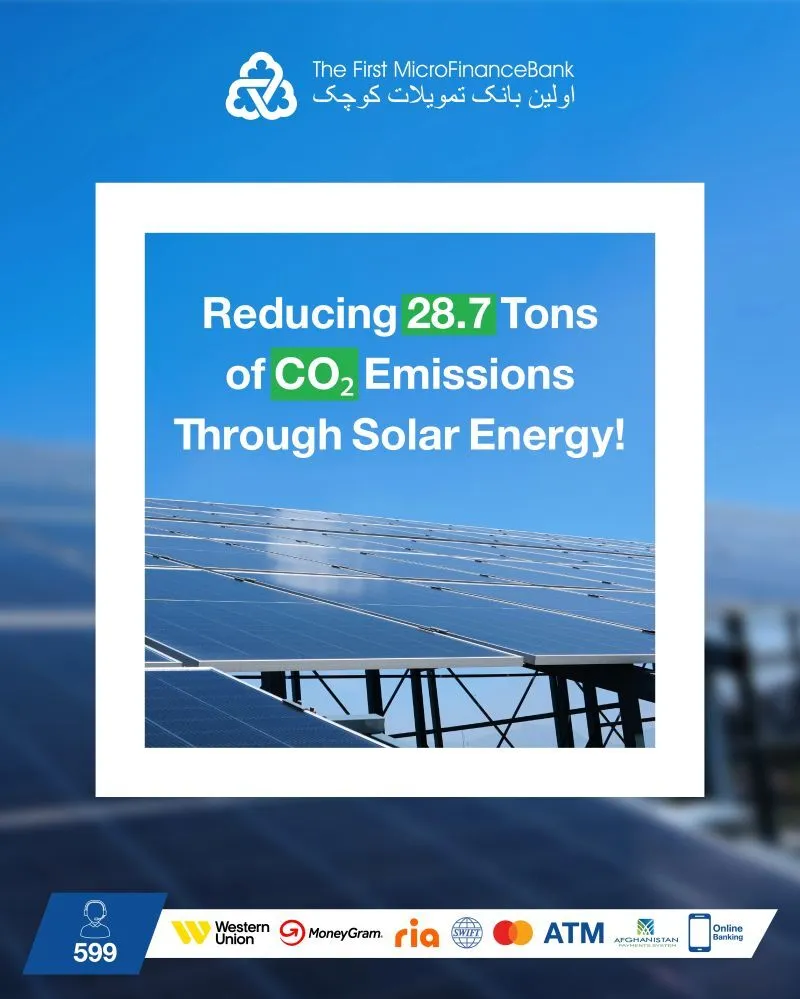
Solarization is reducing FMFB-A’s CO2 emissions by 28.7 tons per month. Each solar-powered branch draws less on diesel generators and grid electricity, so fewer emissions go into the air that our clients, staff, and communities breathe.
 Their methodology aligns with international frameworks for carbon accounting, utilizing recognized global standards such as the Greenhouse Gas (GHG) Protocol to measure and report greenhouse gas emissions. By tracking and verifying emission reductions achieved through transitioning away from fossil-fueled generators toward reliable renewable energy, the bank establishes a transparent, scientifically sound foundation for our climate impact.
This structured accounting directly supports United Nations Sustainable Development Goal 7 (Affordable and Clean Energy) by expanding clean energy access and reducing operational dependence on fossil fuels, while advancing Sustainable Development Goal 13 (Climate Action) by integrating measurable climate mitigation measures into core organizational practices.
This rigorous approach directly addresses the escalating crisis of climate disasters driven by unchecked global temperature rises, including extreme heatwaves, severe droughts, and destructive flooding. By adhering to international climate standards and curbing emissions through targeted clean energy initiatives, FMFB-A contributes directly to the Paris Agreement's overarching objective of limiting global warming to 1.5°C above pre-industrial levels. Ultimately, robust carbon accounting and sustainable energy transitions not only fulfill global reporting commitments but also actively help mitigate the systemic drivers of climate vulnerability and strengthen long-term environmental resilience.
Switching to solar also reduces costs
Solar is now one of the fastest-growing sources of new electricity worldwide, driven by falling technology costs and growing climate commitments. Financial institutions are also being asked by regulators, investors, and development partners to show their environmental performance, not only their financial results. Measuring and sharing our impact aligns FMFB-A with this direction.
Switching to solar also reduces costs. Cost cutting at the solarized sites fell by 39.8% in September 2026 compared with September 2025. Branches that depend less on fuel and the grid are also more reliable, which means steadier service for the communities we serve.
Solarization is a beginning, not an endpoint. FMFB-A will continue tracking its energy use and emissions, expand clean energy where it makes sense, and report its progress openly.